


TLDR
- Brent crude jumps to $115 amid Strait of Hormuz shipping risks.
- Geopolitical tensions at Hormuz drive sharp surge in Brent oil price.
- Market adds risk premium; Brent spikes to $115 on chokepoint fears.
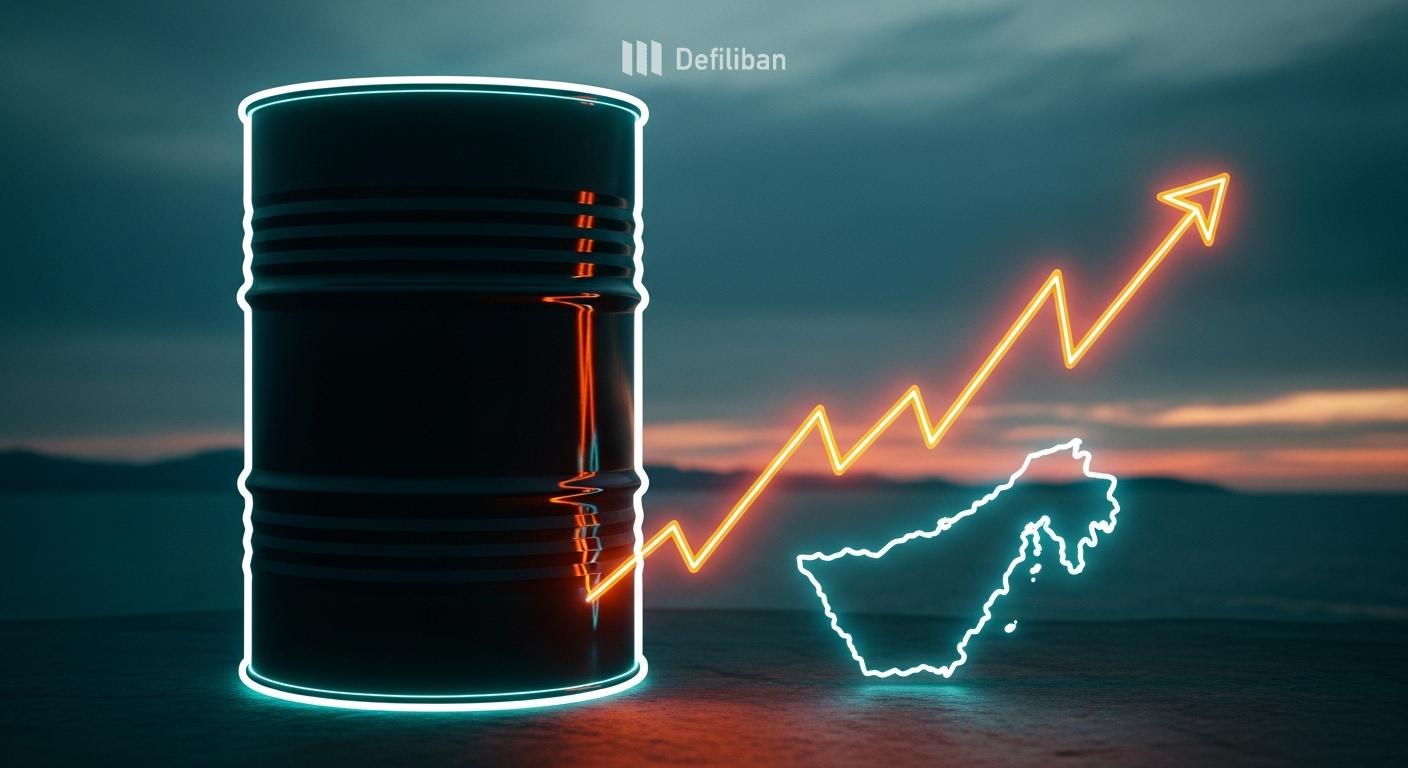
Brent crude spiked in intraday trade as shipping risks around the Strait of Hormuz intensified. According to AP News, recent strikes and counterstrikes have severely curtailed tanker movements through the chokepoint, amplifying supply anxiety.
The move reflects a geopolitical risk premium layered onto fundamentals. Traders are recalibrating for potential short-term supply interruptions and higher freight and insurance costs, rather than a confirmed loss of production.
Why it matters now: fuel prices, inflation, and macro spillovers
Oil shocks tend to pass through quickly to gasoline and diesel, lifting transport and logistics costs. That cascade can broaden into food inflation and pressure household budgets if elevated prices persist.
Higher energy costs may complicate central-bank disinflation efforts and weigh on growth-sensitive sectors. According to TD Securities, markets still appear to expect containment, and advanced economies are less oil-intensive than in past crises.
Brent oil forecast: scenarios, OPEC+, IEA signals, Qatar’s Energy Ministry
Base case context: If regional tensions stabilize and shipping lanes remain partially open, prices could settle into a risk-premium range while inventories, refinery runs, and demand adjust. De-escalation would likely trim freight premia and volatility.
Escalation risk centers on concentrated Gulf exports and the Hormuz chokepoint. Qatar’s Energy Ministry has warned that producers could curb exports within weeks if conflict worsens, which would raise the probability of materially higher prices.
Market participants describe today’s jump as driven more by perceived scarcity than observed barrels offline. That distinction underscores how headlines can outrun fundamentals during acute geopolitical events.
“Oil prices are already reflecting the growing shortage concerns and risk sentiment in global markets, pointing to a fear premium,” said Ajay Bagga, a banking and market expert. He added that further escalation could lift prices if supply is impaired.
Signals to watch include OPEC+ production guidance, any emergency stock releases, and the International Energy Agency’s supply-demand assessments. Shipping data and insurance pricing around Hormuz will also indicate the depth of disruption.
At the time of writing, Brent traded near $115, roughly 25% higher on the day, reflecting an elevated risk premium rather than a definitive supply loss. Prices remain sensitive to conflict headlines and policy responses.
| Disclaimer: The content on defiliban.com is provided for informational purposes only and should not be considered financial or investment advice. Cryptocurrency investments carry inherent risks. Please consult a qualified financial advisor before making any investment decisions. |