


TLDR
- Headline CPI 2.4% in February, unchanged from January’s annual pace.
- Core inflation 2.5%, still above the Federal Reserve’s 2% target.
- Offsetting category moves: energy firmness balanced by cooler core components.
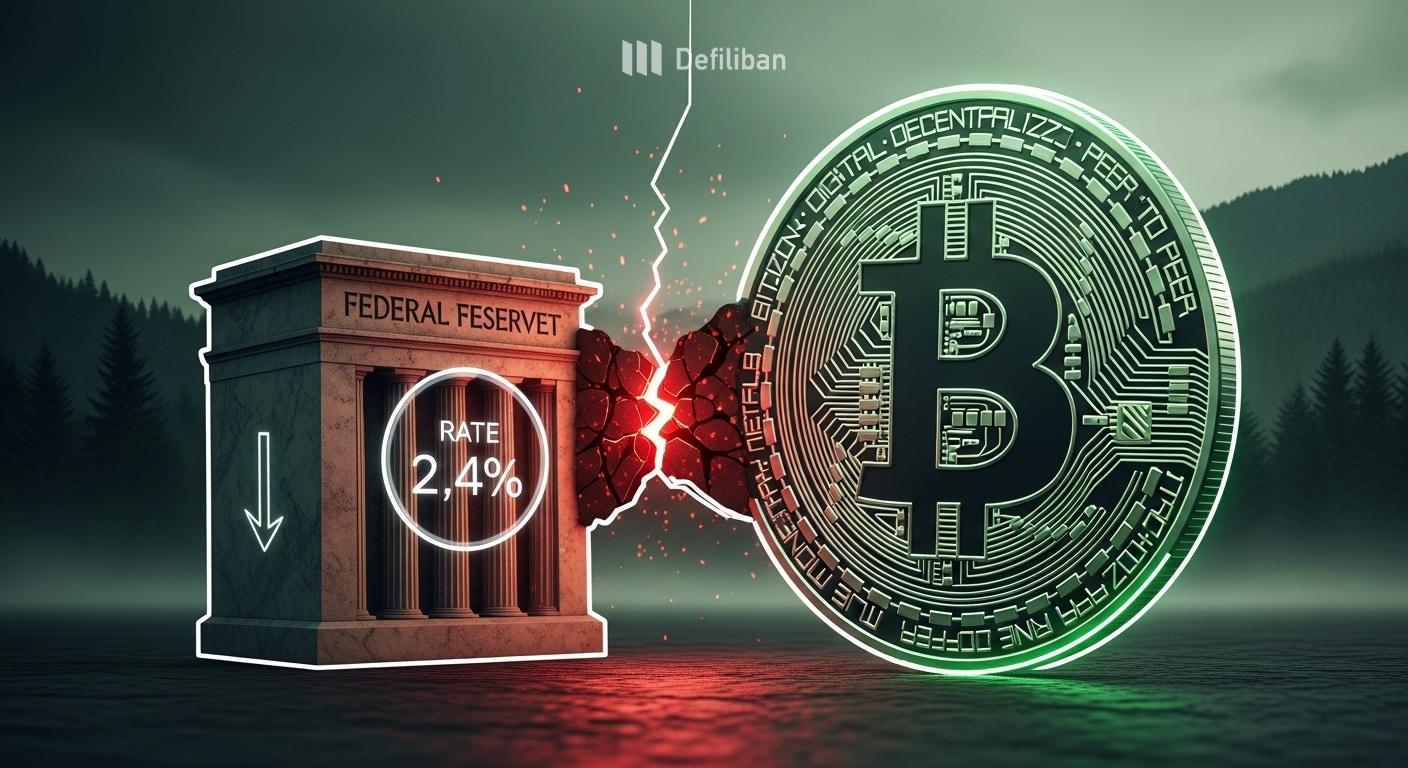
U.S. consumer prices rose 2.4% year over year in February 2026, unchanged from January. According to AP News, core inflation held at 2.5%, still above the federal reserve’s 2% goal.
The steady headline rate suggests offsetting moves across categories. Early energy firmness was likely balanced by cooler core components, keeping overall momentum contained.
As reported by CBS News, the print was cooler than many economists expected, even as markets weighed new inflation risks tied to conflict in Iran. That contrast underscores how single‑month data can mask brewing pressures.
Why it matters: Iran war inflation risk and near-term impact
The Iran war primarily transmits to U.S. inflation through oil. Based on coverage by AA.com.tr, economists warn that higher crude costs can lift gasoline and household energy, with downstream effects on transport and goods.
Policy sensitivity is high. RISMedia reported that Federal Reserve officials, including Governor Beth Hammack and Minneapolis Fed President Neel Kashkari, have urged caution on rate cuts until the inflation path is clearer.
Private forecasters echo that caution as energy jitters cloud the outlook. Deutsche Bank analysts said “the path towards disinflation has become murkier,” noting that rising oil could pressure headline readings in coming months.
Component snapshot: energy, fuel oil spike; core inflation 2.5%
At the component level, Forbes noted that fuel oil saw one of the largest month-over-month increases among CPI categories, an early sign of conflict-linked energy stress. That jump aligns with reports of tighter energy markets.
The data also show core inflation steady at 2.5%, indicating underlying price growth remains firmer than the overall headline. This gap matters for policy because it reflects services and shelter dynamics that adjust slowly.
Energy shocks typically filter through consumer prices with a short lag, first via gasoline and utilities, then via transport and input costs. Key watchpoints include oil benchmarks, retail gasoline, and upcoming PCE reports to gauge persistence.
| Disclaimer: The content on defiliban.com is provided for informational purposes only and should not be considered financial or investment advice. Cryptocurrency investments carry inherent risks. Please consult a qualified financial advisor before making any investment decisions. |